Energy Efficiency and Sliding Doors: What You Need to Know
Energy efficiency is a critical factor for homeowners aiming to boost comfort and cut down on costs. Sliding doors, when crafted with certain characteristics, fulfill an important purpose in accomplishing these aims. Recognizing the different elements and installation techniques can result in considerable savings and enhanced indoor conditions. As energy-efficient sliding doors continue to gain popularity, it brings up questions about the most effective methods for selecting and upkeeping them. What are the primary aspects to assess?
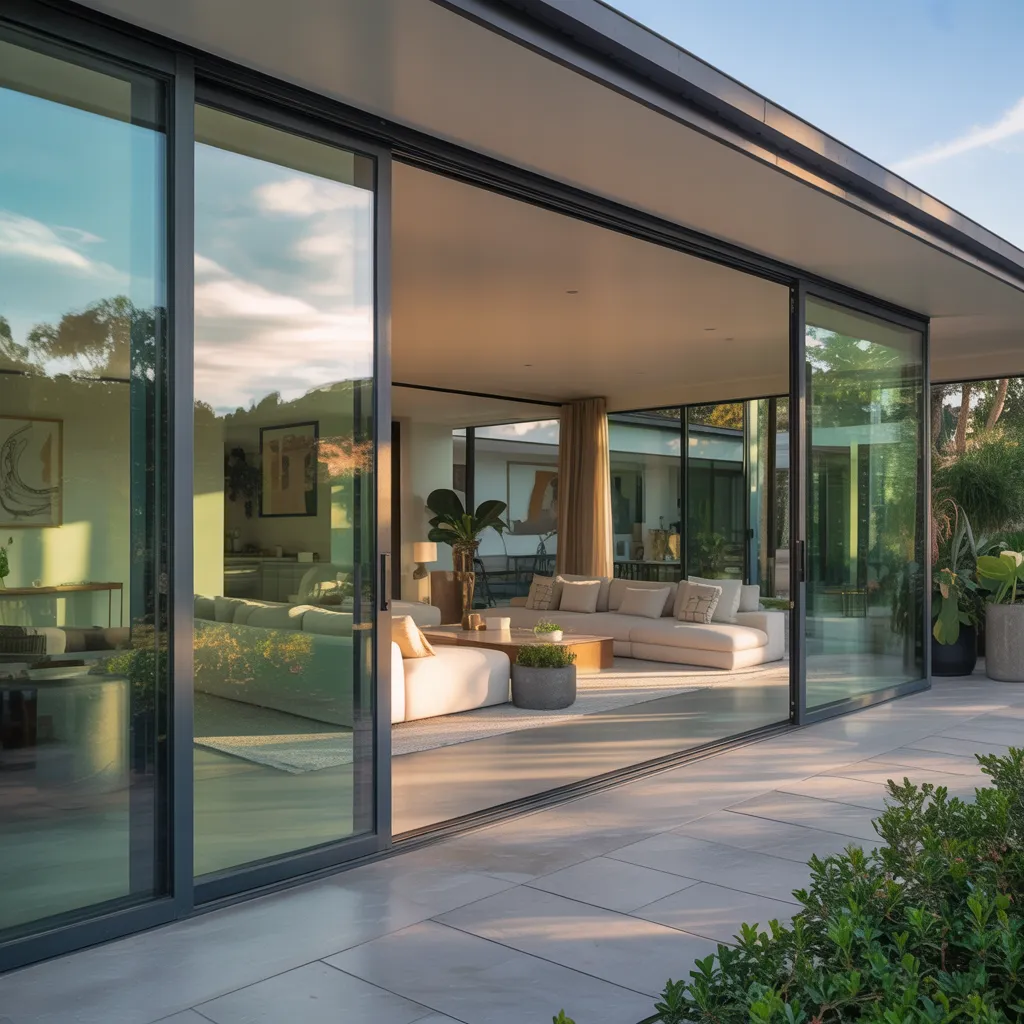
Why Choose Energy-Efficient Sliding Doors?
Energy-saving sliding doors provide substantial advantages for homeowners seeking to improve comfort and lower energy expenses. These doors are designed to minimize heat transfer, which helps maintain a stable indoor temperature throughout the year. By blocking drafts and reducing thermal loss, they help create a more stable and comfortable living environment.
Furthermore, energy-efficient sliding doors often incorporate innovative materials and modern technologies that strengthen insulation. Residents are able to benefit from greater amounts of natural light while benefiting from decreased dependence on supplemental lighting. Also, many of these doors are designed to filter out harmful ultraviolet rays, preserving interior décor from sun-related fading.
Investing in energy-efficient sliding doors can bring about reduced energy costs over time, making them a financially smart investment. Residents may also discover that these doors boost the overall appeal of their property. During a time centered around eco-friendliness and energy savings, selecting energy-saving sliding doors is a practical and responsible decision.
Leading Features That Boost Energy Efficiency in Sliding Doors
As many homeowners look to improve energy efficiency, the attributes of sliding doors are essential in reaching this objective. A primary feature includes multi-point lock configurations, which provide a firm seal and limit air infiltration. Low-emissivity (Low-E) glass is another essential element, reflecting heat while allowing natural light, thereby maintaining indoor temperatures. Additionally, weatherstripping around the door frame helps prevent drafts, strengthening the insulating properties.
Thermal breaks in the frame can also contribute considerably, limiting heat transfer and boosting overall energy performance. Additionally, selecting a properly fitted track system can minimize friction, guaranteeing smooth operation without compromising the seal. Finally, the incorporation of energy-saving hardware, like insulated handles and secure locks, can contribute meaningfully to sustained energy efficiency. Collectively, these attributes enable homeowners to maintain comfortable homes while cutting down on energy consumption and costs.
Materials That Enhance Insulation and Performance
The choice of components for sliding doors is fundamentally important in improving their overall performance and insulation. Thermally superior frame materials, such as vinyl and fiberglass, considerably decrease thermal transfer, while high-performance glass options improve energy retention. Collectively, these features add to a more thermally stable living space and decreased utility bills.
Eco-Friendly Frame Materials
Sliding doors can greatly enhance a home's thermal performance when built using the right framing materials. Materials such as vinyl, fiberglass, and wood-clad frames offer superior insulation properties. Vinyl frames are particularly effective, as they combat temperature variations and minimize heat transfer. Fiberglass frames, recognized for their resilience and reduced thermal conductivity, help decrease energy loss. Wood-clad frames merge the decorative beauty of natural wood with the insulating benefits of other materials, delivering an equilibrium of design and efficiency. Moreover, aluminum frames with thermal breaks are also capable of energy conservation when engineered properly. Choosing the right frame material plays a vital role in optimizing thermal efficiency and preserving a pleasant interior climate while minimizing heating and cooling costs.
High-Performance Glass Options
Advanced glazing solutions significantly improve the insulation capabilities of sliding doors, providing cutting-edge insulation and efficiency benefits. These innovative glazing systems commonly incorporate two or three-pane arrangements, which seal air or insulating gas between panels, significantly minimizing heat transfer. Low-E reflective coatings further improve energy efficiency by bouncing heat back into the living space while allowing natural light to enter. Additionally, certain advanced glazing solutions utilize argon or krypton gas fills, enhancing thermal insulation. These qualities not only promote a more comfortable indoor environment but also decrease utility bills. By opting for sliding doors equipped with premium glass, property owners can establish a blend of style and energy-saving functionality, making a valuable investment for long-term savings and sustainability.
How Proper Installation Boosts Energy Savings
Correct installation of sliding doors significantly improves energy efficiency by ensuring airtight seals and perfect alignment. When sliding doors are correctly fitted, they minimize air leakage, which is a prevalent contributor to energy loss in households. Gaps or improper alignments can cause conditioned air to leak out, causing a rise in heating and cooling expenditures.
In addition, professional installation enhances the longevity and functionality of the doors, lowering the probability of degradation that can reduce energy efficiency over time. A skilled installer will ensure that the door frame is properly aligned and that every component, including tracks and rollers, operates properly.
Finally, professional installation often adheres to the manufacturer's specifications, which can maximize the energy efficiency ratings of the sliding door systems. By choosing quality installation, homeowners may experience considerable energy savings while elevating the overall comfort of their living spaces.
Understanding the Costs and Benefits of Sliding Doors
When evaluating sliding doors, assessing the upfront cost is essential, as costs can fluctuate considerably based on materials and design. Additionally, long-term energy savings can offset the initial expenditure, making it important to evaluate energy efficiency ratings. Understanding these factors will help homeowners arrive at thoughtful decisions that balance upfront costs with future benefits.
Initial Investment Factors to Consider
Choosing sliding doors can offer considerable long-term benefits, but initial costs are essential to evaluate. When exploring sliding doors, buyers should examine the price of materials, installation, and any necessary structural modifications. Superior materials, such as low-E glass or fiberglass, may have a higher upfront cost but can boost long-term resilience and energy savings. Additionally, the intricacy of the setup procedure can affect labor expenses. It is important to balance these upfront expenses with the anticipated benefits, including improved appearance and energy cost reductions. Homeowners should also examine warranty options and maintenance requirements, as these factors can affect long-term value. Ultimately, a comprehensive analysis will help in arriving at a knowledgeable choice regarding the investment in sliding doors.
Lasting Energy Savings
Although the upfront cost of sliding doors may appear daunting, the extended energy savings can substantially offset these initial costs. High-performance sliding doors are engineered to reduce heat loss in winter while decreasing cooling requirements in summer, leading to decreased monthly utility expenses. In the long run, the ongoing energy savings can compensate for the elevated purchase and installation costs, making them an economically sound investment. Furthermore, numerous sliding doors include features like low-emissivity (Low-E) glass that improves insulation performance. Homeowners could additionally qualify for tax credits or rebates that reward energy-efficient home upgrades. In the end, choosing to invest in sliding doors not only boosts visual appeal but also leads to considerable reductions in energy costs over time.
Material and Design Impact
The selection of design and material significantly affects the functionality and effectiveness of sliding doors. Typical materials consist of vinyl, aluminum, and wood, all of which offer unique qualities. Vinyl offers superior insulation and demands little to no maintenance, while aluminum is lightweight and durable, examination commonly including thermal breaks to improve energy efficiency. Wood, while visually appealing, often demands greater maintenance.
Design elements, like the kind of glass used, are crucial in energy conservation. Multi-pane glazing can considerably decrease heat transfer, enhancing indoor comfort. Moreover, the fit and seal of the door affect airflow penetration, which can impact total energy expenditure. Ultimately, choosing appropriate materials and configurations can result in significant ongoing energy reductions and improved comfort in living spaces.
Best Practices for Maintaining Your Energy-Efficient Sliding Doors
Maintaining energy-efficient sliding doors is critical for ensuring optimal performance and long-term durability. Regular cleaning is critical; buildup of dirt and debris can compromise their operation and weaken insulation performance. Homeowners should use a mild soap solution and a soft cloth to wash both the frame and glass, ensuring the seals stay undamaged.
Inspecting the weather stripping periodically is also crucial. Strips that are damaged or worn should be swiftly replaced to maintain thermal efficiency. Furthermore, applying lubrication to the track and rollers with a silicone-based lubricating solution can minimize wear and promote smooth operation.
Checking for drafts by performing a simple hand test around the edges can help identify areas needing attention. If drafts are present, using caulk or weather stripping can improve energy efficiency. Additionally, verifying that the doors align correctly will close any gaps, which further enhances their performance. Consistent maintenance not only preserves energy but also increases the longevity of sliding doors.

Questions We Often Receive
Do Energy-Efficient Sliding Doors Need Specialized Cleaning Products?
Energy-efficient sliding doors do not necessarily require special cleaning products. Conventional mild cleaners and soft cloths are usually sufficient, ensuring proper maintenance without damaging the materials or compromising their energy-saving properties. Routine cleaning improves their durability and effectiveness.
How Can Sliding Doors Influence Your Home's Resale Value?
Sliding doors are known to increase home resale value by elevating the overall aesthetics and functionality of a property. Many buyers tend to recognize the natural light and ease of access they offer, rendering homes with well-kept sliding doors more appealing in highly competitive real estate markets.
Can Energy-Efficient Sliding Doors Be Customized for My Home?
Certainly, homeowners can personalize sliding doors with energy-efficient features to align with their individual preferences. Available options include a variety of materials, styles, and energy ratings, providing for improved insulation and aesthetics while enhancing overall home performance and comfort.
What Warranty Options Are Available for Energy-Efficient Sliding Doors?
Warranty options for energy-efficient sliding doors typically vary by manufacturer, frequently spanning from ten years to lifetime coverage. Purchasers should carefully review detailed terms, including coverage on materials, workmanship, and energy performance guarantees.
Are There Tax Incentives for Installing Energy-Efficient Sliding Doors?
Indeed, there are tax benefits offered for installing sliding doors with energy-efficient features. Qualifying homeowners may be eligible for local rebates or federal tax credits, which encourage energy-conscious upgrades and improve general energy efficiency in residential properties.